The call board
Say what you need. Plainly
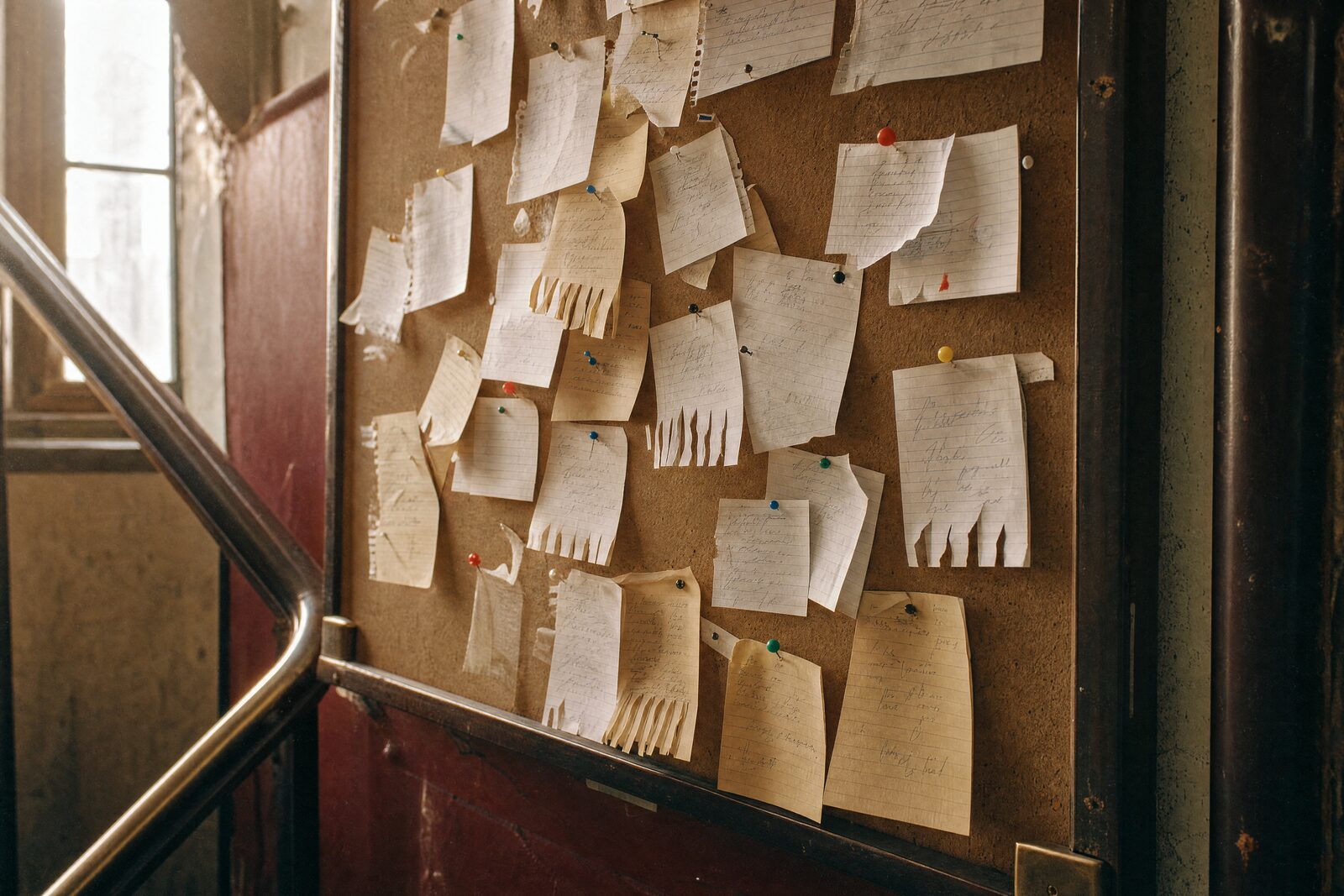
A call is a card on a board that says what you actually want. A guitarist, Thursdays, Brooklyn. A voice for a two-minute short, paid. Two hours of kiln time in exchange for glazing help. Members answer, you pick, and the rest of the internet never sees it.
Why plainly
Nobody has ever been hired by a post that said collaboration opportunity
The calls that get answered read like a card in a stairwell. They name the instrument, the night, the city, the money, and how long it goes on for. The ones that die read like a job advert written by somebody who was embarrassed to ask.
So the form asks for those things directly. What you need, the craft, where, how often, when it starts, and whether there is money in it. It takes about ninety seconds and it is the whole difference.

The kinds
What people actually post
A missing player
A bassist for a residency, a cellist for two afternoons, somebody who can read a chart and get to a rehearsal room by seven.
A pair of hands
A second shooter, an assistant for an install, a person to help carry sixty kilograms of clay up two flights.
A craft you do not have
A colourist, a poster, a voice, a mix, a mould-maker, somebody who can weld and will not laugh at the drawing.
Space and machines
Kiln space, press time, a room with a good ceiling, a garage with power, a wall for one night in November.
How it goes
From a card to a person
-
You post the call
What, where, when, how often, and paid or not. Say the rate if there is one. Calls without a rate get fewer answers and both of you already know it. -
Members answer it
An answer is a short note from a member, on your call's page and nobody else's. One each, and they can take it back while you think. -
You accept, and you talk
Accept an answer and a conversation opens between the two of you. No public thread, no comments, no audience for either of you. A band can accept more than one. -
You mark it filled
Once you have your person, mark the call filled. It comes off the board, and everyone still waiting on an answer is told no rather than left wondering.
Who sees it
A call is club business
Calls are visible to members and to nobody else. Not the public, not search engines, not somebody who found your storefront. You are asking for help in a room, not advertising a vacancy to the internet.
Every call names its craft, so the board can be read one discipline at a time — music, film, design, whatever yours is.

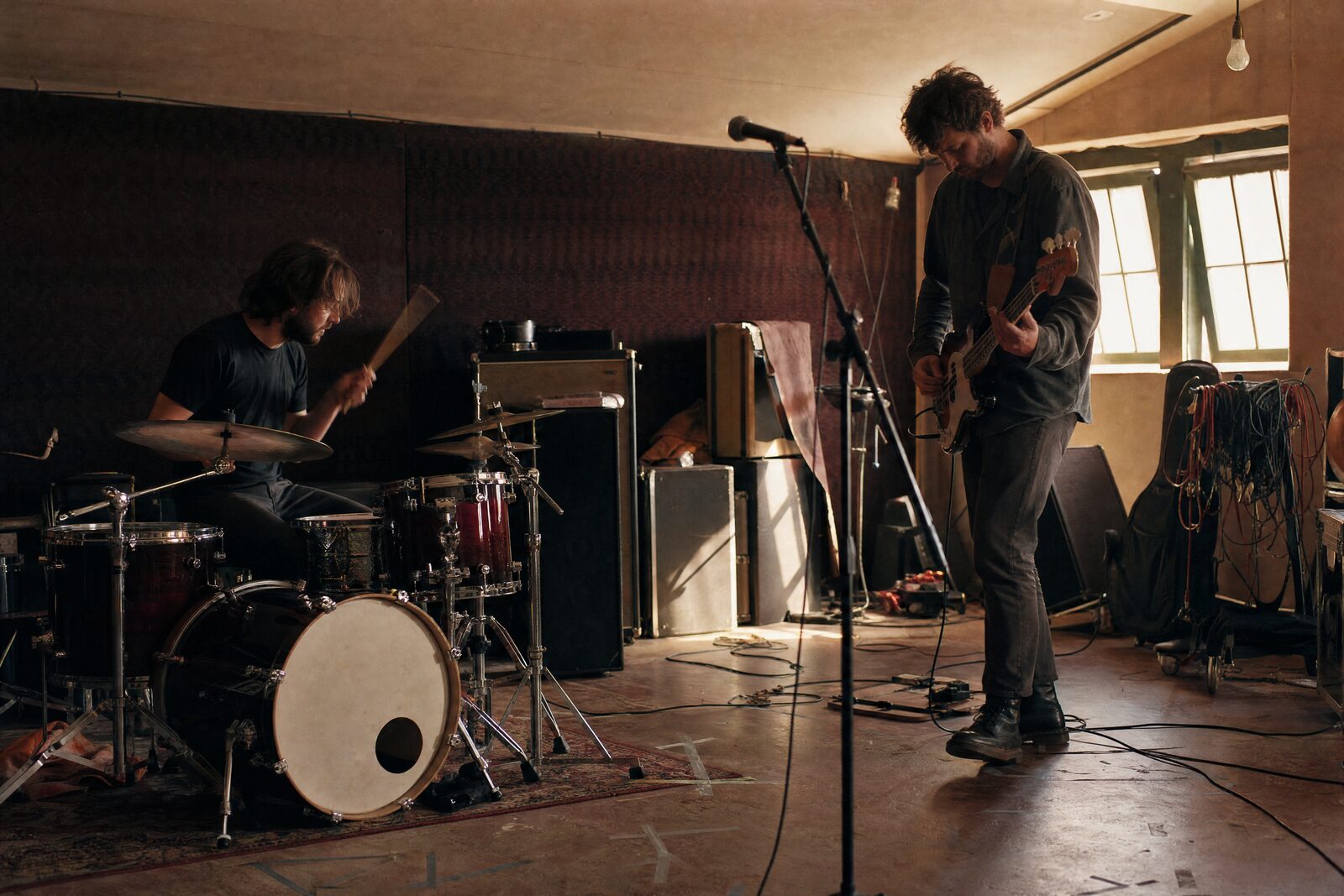
I posted for a drummer who could handle odd time and be in a room by seven. Four answers, one of them extremely good, and we have played eleven shows since. It took me longer to write the card than to find him.

Questions about calls
Do I have to pay people?
How many calls can I post?
Can somebody outside the club answer?
What if the person does not show up?
Can I take a call down without filling it?
Write the card you would pin in a stairwell
Name the instrument, the night and the city. Members answer, and accepting one opens the conversation.