For painters, illustrators and printmakers
Originals, editions, and patrons
A shop that can sell a one-off and a run of forty without pretending they are the same thing. Commissions on terms you wrote. Patrons who pay monthly because they want the work to keep happening. And a room full of people who will tell you the truth about it.

The shop
A one-off and an edition of forty are not the same object
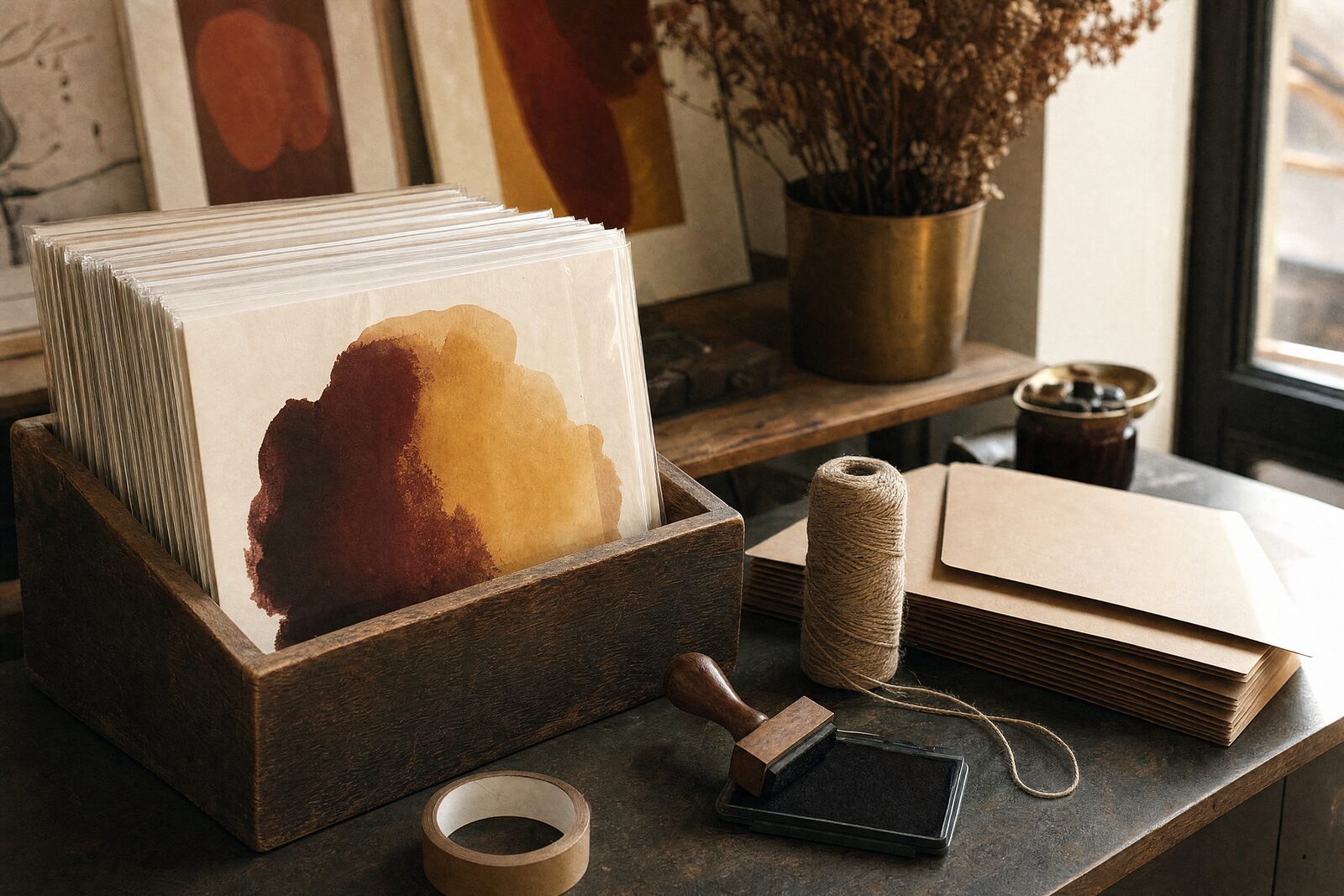
An original sells once and must then say so, immediately, before somebody else buys it. An edition counts down in public and closes itself on the last one. A print-on-demand piece never runs out. Most shop software treats all three as a quantity field, and it shows.
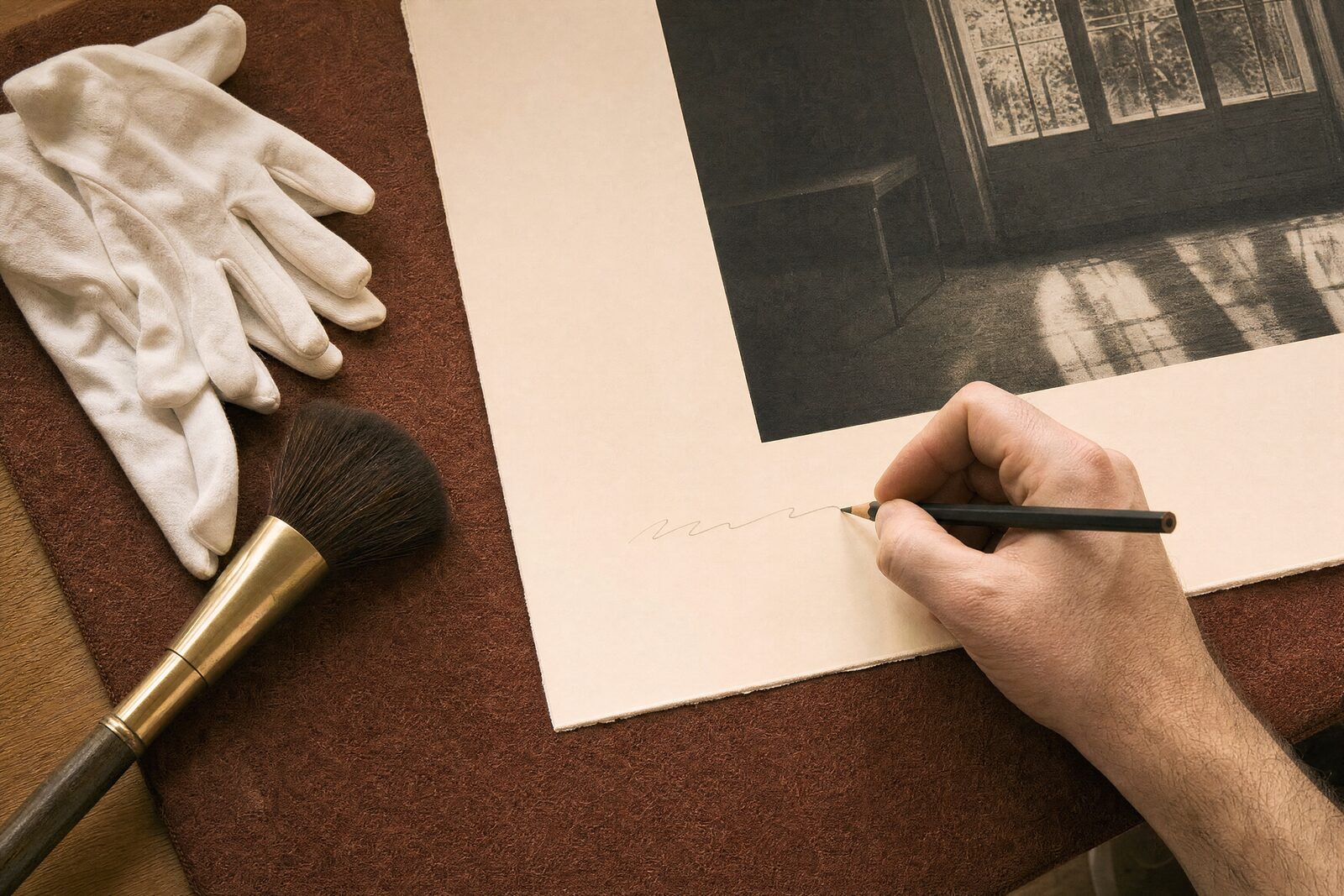
Here they are three different things, and the page says which it is. So does the certificate, and so does the number you sign on the back.
The money
Four ways a painter gets paid here
Originals
One piece, one buyer, marked sold the second it sells. Shipping and crating on your stated terms.
Editions
A run with a number on it. The page shows how many are left, which sells the last eight faster than you would like to admit.
Commissions
Your brief form, your deposit, your timeline, your revision count. Agreed before you touch a canvas.
Patronage
Studio notes, work in progress, a small print in the post each quarter. The tier that pays the rent between shows.
Read moreThe club
What the room is actually for
-
A critique with people who are not being polite
Six people, six pieces, two hours, and rules about how the criticism is given. Members host them; they are the thing painters ask for most.
-
A photographer who can shoot the work properly
The most common swap on the platform. Documentation for a piece, agreed in writing, both halves marked delivered.
-
An introduction to a gallery, from somebody they know
Three years of cold emails against two sentences from a member who has shown there. It is who says it.
-
A mentor for the business half
Pricing, contracts, what to strike out of a gallery agreement, and how to say the number out loud without apologising.
Galleries
This is not a gallery, and it does not want to be
Phyrne takes no exclusivity, no representation and no say in what you charge. Show with whoever you show with; sell here at the same time. We take 8% of what moves through the counter and nothing else.
Members with representation use the storefront for editions, studio sales and patronage, which is usually the half a gallery is not interested in anyway.
The critique nights changed my work more than the shop did, and the shop paid for the studio. I did not expect to get both from the same twenty-minute application.
Questions about visual artists
Can I sell an original and prints of it?
How do commissions work?
Does Phyrne take a cut of a gallery sale?
Who pays for shipping a large piece?
List one edition and see who is out there
A storefront is free to open, and there is nothing to pay in a month where nothing sells.