The storefront
A shop that is actually yours
One public page with your work on it and a way to pay you. Prints, originals, editions, records, merch, digital files. Your prices, your shipping, your handling time, your returns. Buyers arrive at your name, from your own link or from the shop.
The address
Buyers land on your page, and nobody paid to be above you
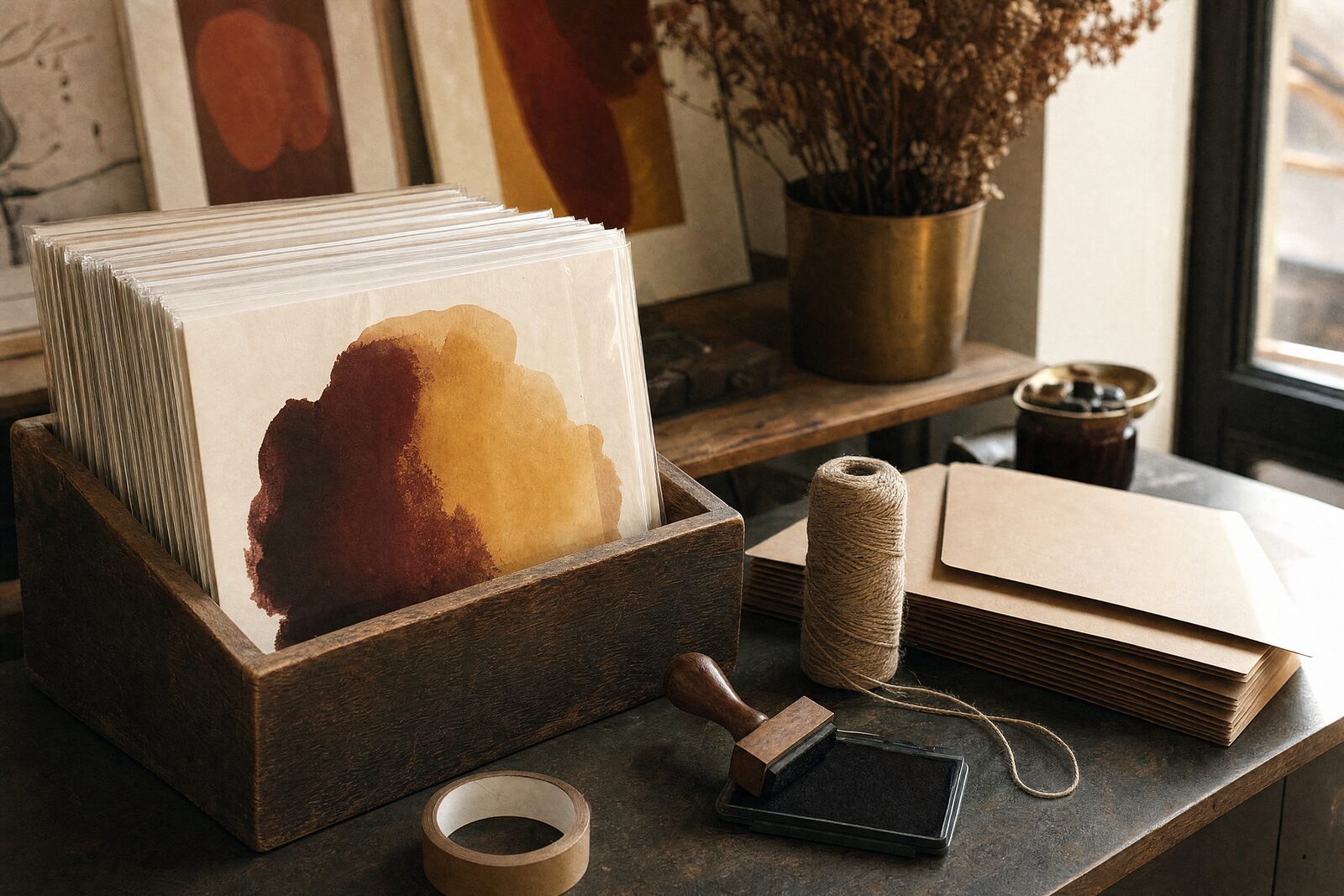
A Phyrne storefront is a page with your name at the top of it. It is the link you put in a bio, on a business card, on the back of a record sleeve. Somebody who came for your work sees your work, and the next thing they see is also yours.
The public can find you without the link, too. The shop gathers every open storefront and what it has published, and its search reads your titles, your descriptions and what you say about the shop. Results come in the order the words match; there is no sponsored row and nothing to buy your way to the top of. Every one of them opens on your page, not on ours.
What goes on it
Four kinds of thing, one checkout
Physical goods
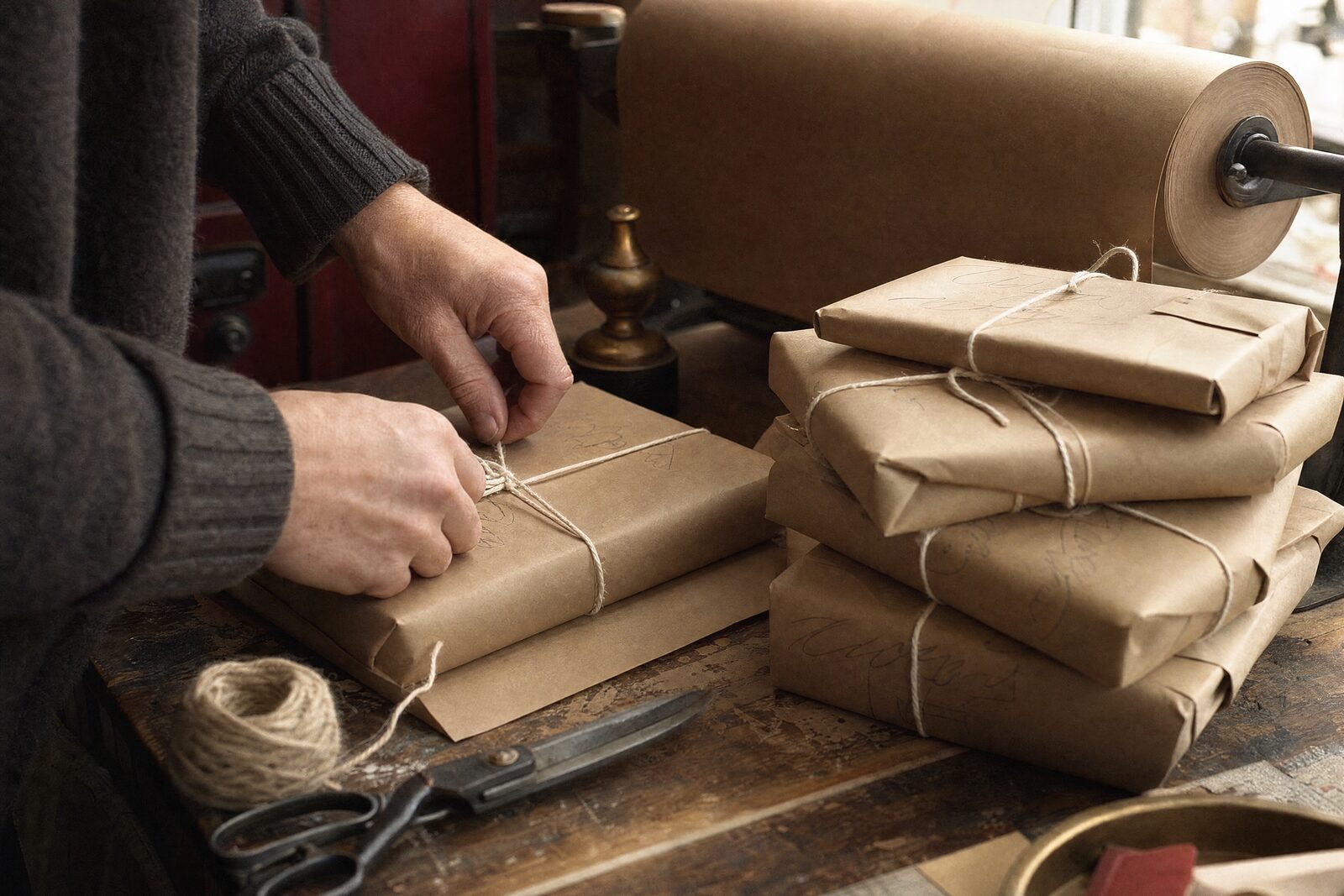
Prints, records, mugs, chairs, zines, tote bags you swore you would never make. Set a price, a weight, a handling time and the places you will post to.
Originals and editions
A one-off is marked sold the moment it sells. An edition counts down in public — 7 of 40 left — and closes itself when the last one goes.
Digital files
Presets, brushes, patterns, stems, PDFs, fonts. Delivered by a link that expires, replaced for the buyer whenever you upload a new version.
Patronage tiers
Monthly support with something behind it. It sits on the same page as everything else, so a first-time buyer can become a patron in one step.
Read moreAn order, end to end
What happens between a card and a parcel
-
They pay
Card, wallet or bank debit, through Stripe. No account to make — an email address and a card. The order is on your orders screen the moment the money lands, with the shipping address on it. -
You are told what you are owed
Every order shows what the buyer paid, Phyrne's fee — our 8% with Stripe's processing folded in — and what is yours, before the money has finished moving. -
You send it
Mark it dispatched with the carrier and the tracking number, so the buyer can follow the parcel. They are told; the order keeps your terms attached to it.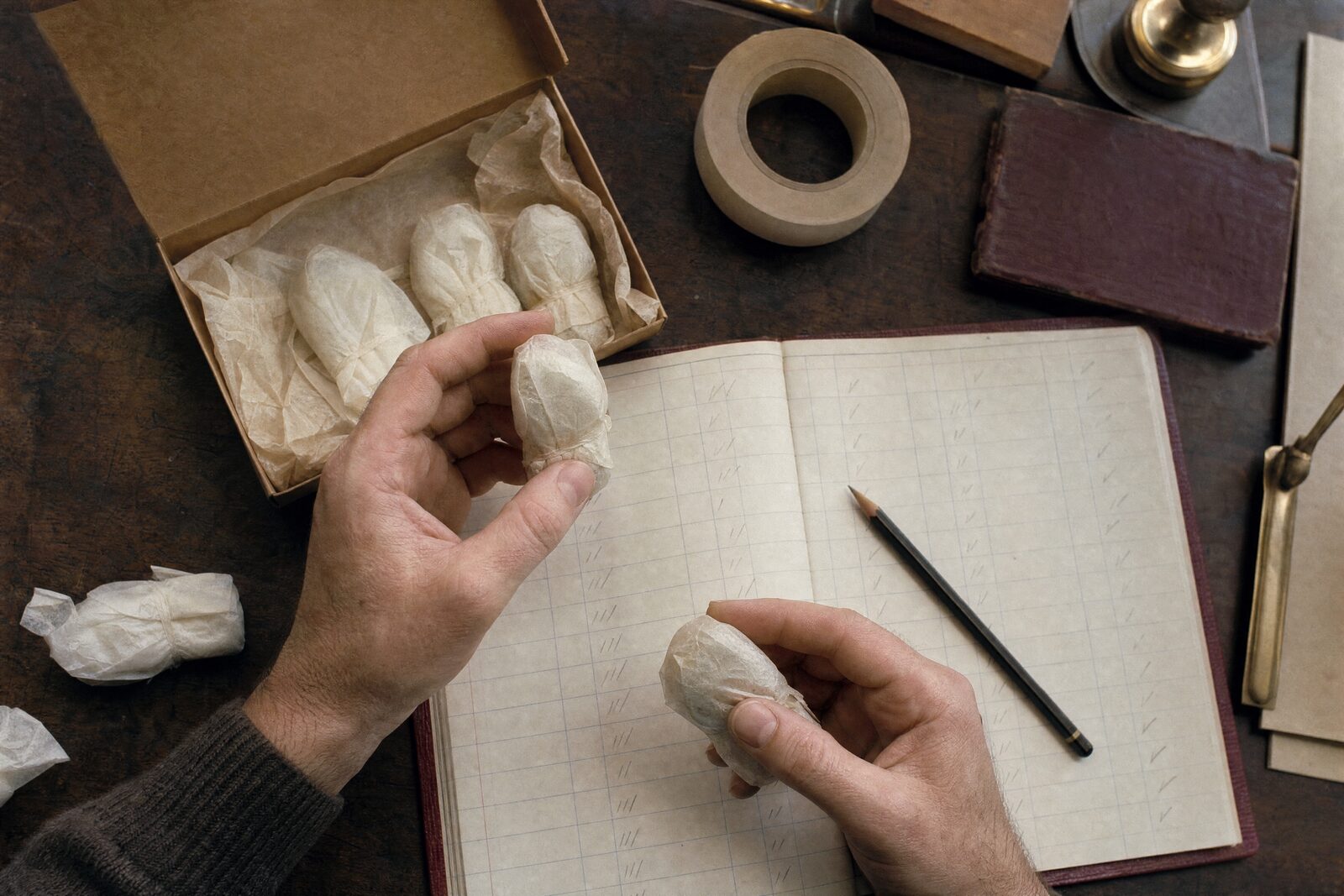
-
You are paid
Your share goes to your own Stripe account, and Stripe pays it on to your bank on its usual schedule. Digital orders and licences are delivered the second the payment clears.
Your terms
The page states what you will do, and then you do it
Shipping, handling time, returns, commissions, whether you will post outside your country — you write those, and they are what the buyer agrees to at checkout. Phyrne shows them and holds you to them. We do not invent a platform-wide returns policy and make you pay for it.
Refunds are yours to give, in one press, in full or in part. Our 8% comes back with it.
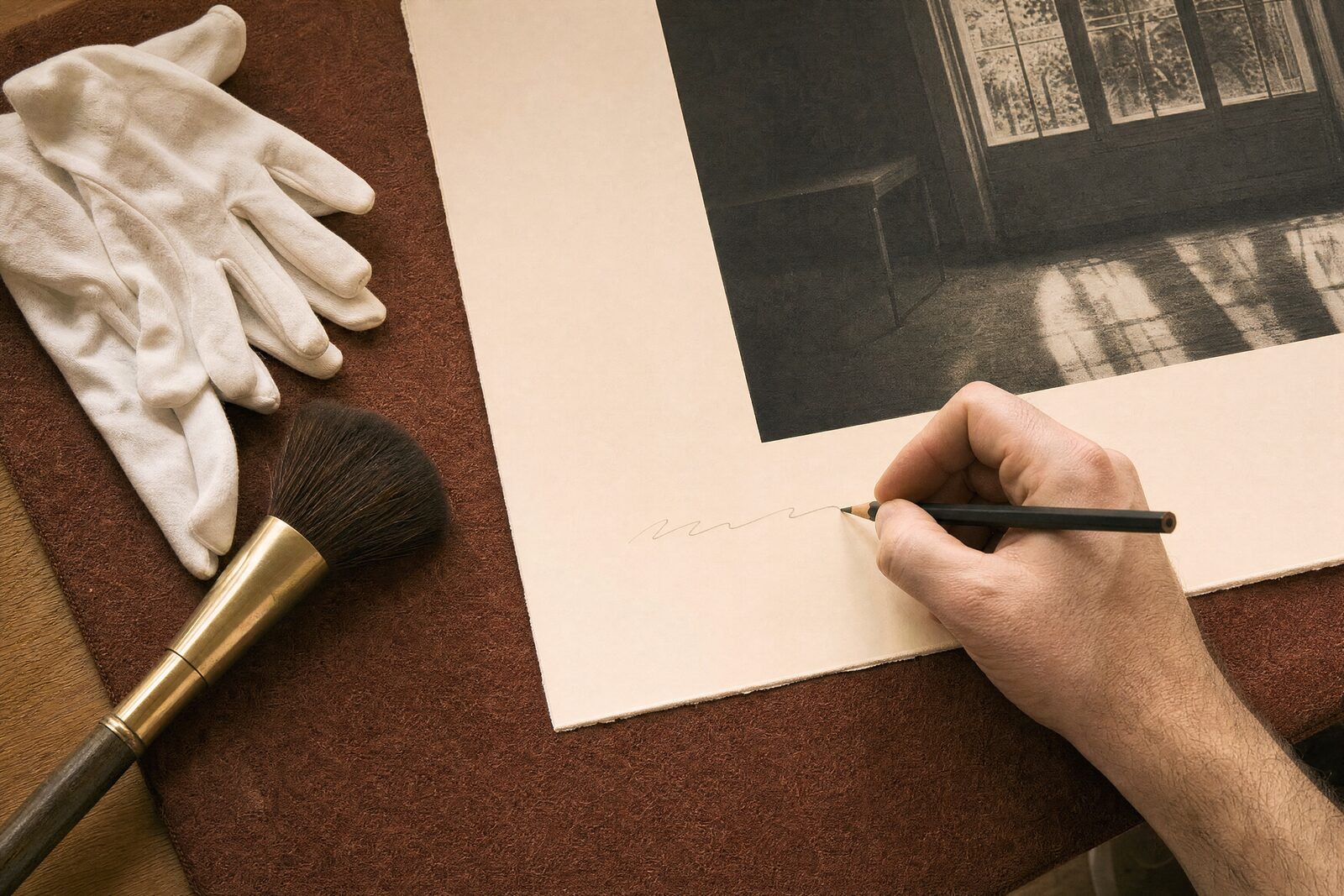
The first month I sold four prints, which is four more than the year I spent maintaining a website. What I did not expect was the woman who bought two of them turning up at a studio night.
Questions about your storefront
What does it cost to open one?
Do buyers need an account?
Will anybody find the shop without my link?
Can I sell work I did not make myself?
Can I close the shop for a while?
Open a storefront
Apply, say that selling is one of the things you came for, and a storefront is waiting when a person approves you.