Mentorship
Somebody who has already done it
Ask for a mentor, or offer to be one. A subject and a number of hours a month. Not a programme, not a cohort, not a course — one person who has been where you are, for as long as it is useful.

The shape of it
A few hours a month, about one thing
Open-ended mentorship dies of embarrassment. Both people feel they are imposing, the messages get further apart, and it fades without either of them saying so.
So a pairing here starts from a post that names one subject and a number of hours a month, and both of you know what was asked for. When it has done its job, either of you ends it in one press, and the conversation you had stays.
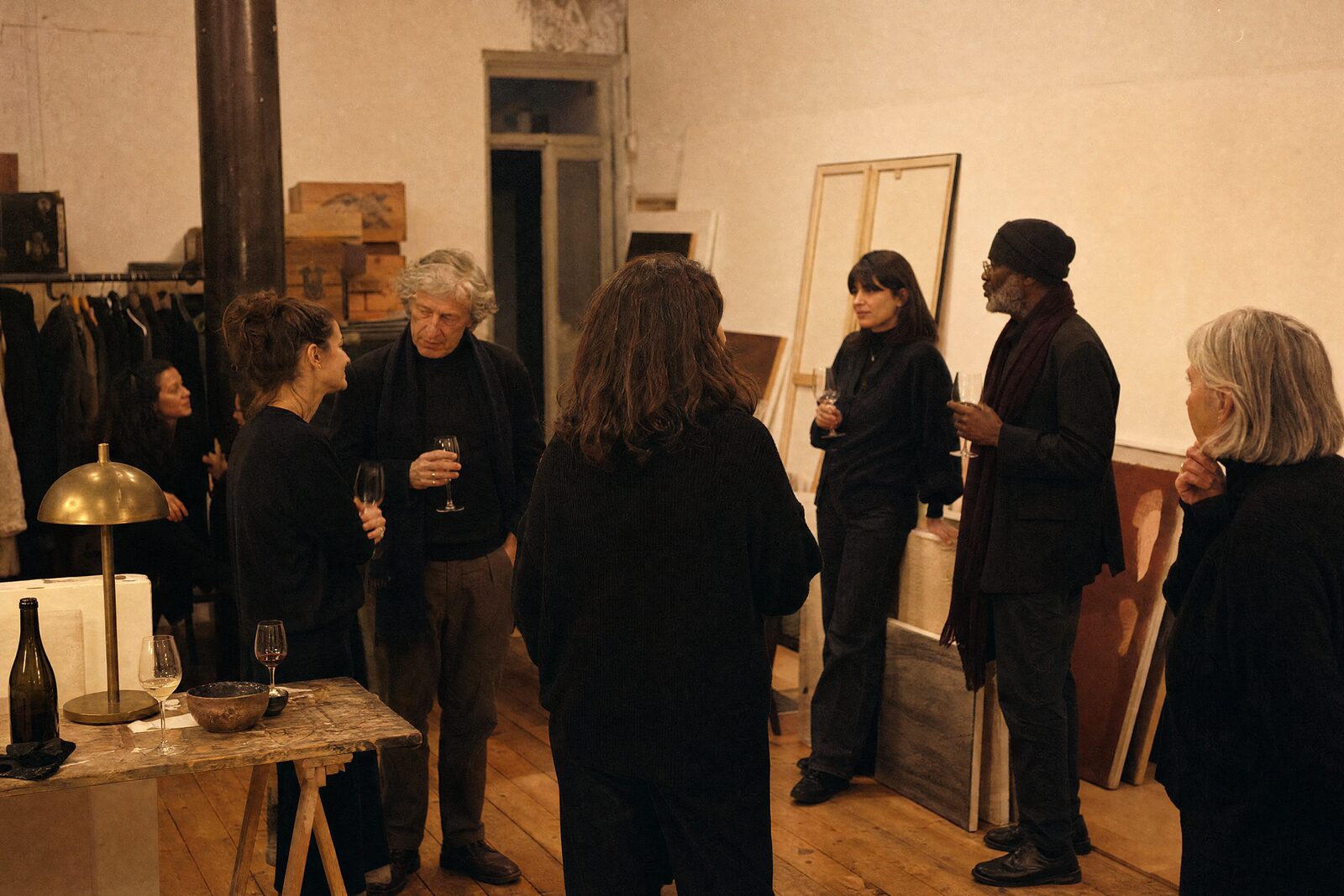
What people ask for
The subjects worth a post
Pricing the work
What to charge, when to raise it, and how to say the number out loud without apologising.
Contracts and licences
What to sign, what to strike out, what a term and a territory are actually worth.
Read moreRunning a shop
Stock, editions, postage, the tax year, and what to do in the quiet month.
Read moreThe work itself
A critique with somebody honest, monthly, on the actual thing you are making.
Getting in the room
Galleries, labels, festivals, fairs, agents. Who to write to and what a real approach looks like.
Keeping going
The unglamorous one. How people who have done this for thirty years survived the years that were bad.
Both directions
Asking, and being asked
-
Say what you want to get better at
A request names one subject and what you are trying to reach. The vaguer it is, the fewer answers it gets. -
Or offer what you know
Mentors say what they will talk about and how many hours a month they have. Two is plenty. Nobody is expected to run a school. -
Somebody answers, and you are paired
One post, one pairing. The first member to take it up is paired with you, the post comes off the board, and a conversation opens between the two of you. -
Talk, and end it when it is done
The subject and the hours stay on the pairing where both of you can see them. Either of you ends it, with no awkwardness owed.
Money
Most of it is free, and it is fine if yours is not
Most members mentor for nothing, because somebody did it for them. Some charge for their hours, particularly the ones being asked every week, and that is between the two of you — take the payment through your storefront so it is properly recorded.
Phyrne does not sell mentorship, rank mentors, or take anything from an arrangement. There is no badge for it.
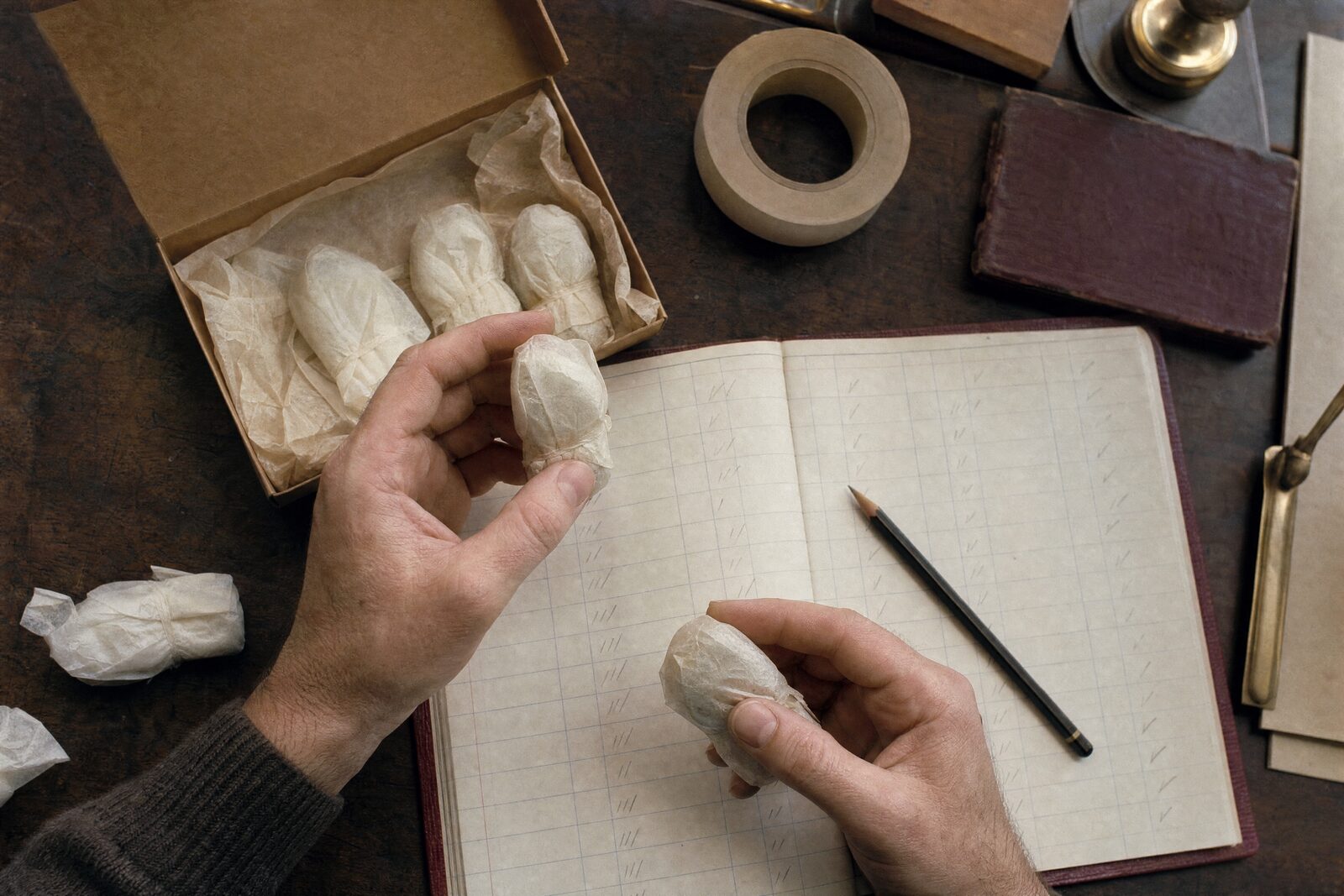
I asked for six months of help with pricing. She made me raise everything by forty per cent in the second month and I sold more, not less. I now mentor two people, mostly out of guilt.



Questions about mentorship
Do I have to be senior to mentor?
What if it is not working?
Can I have more than one?
Does Phyrne match people?
Ask for a few of somebody's Tuesdays
One subject and a few hours a month. It is easier to ask than you expect, and easier to say yes to.